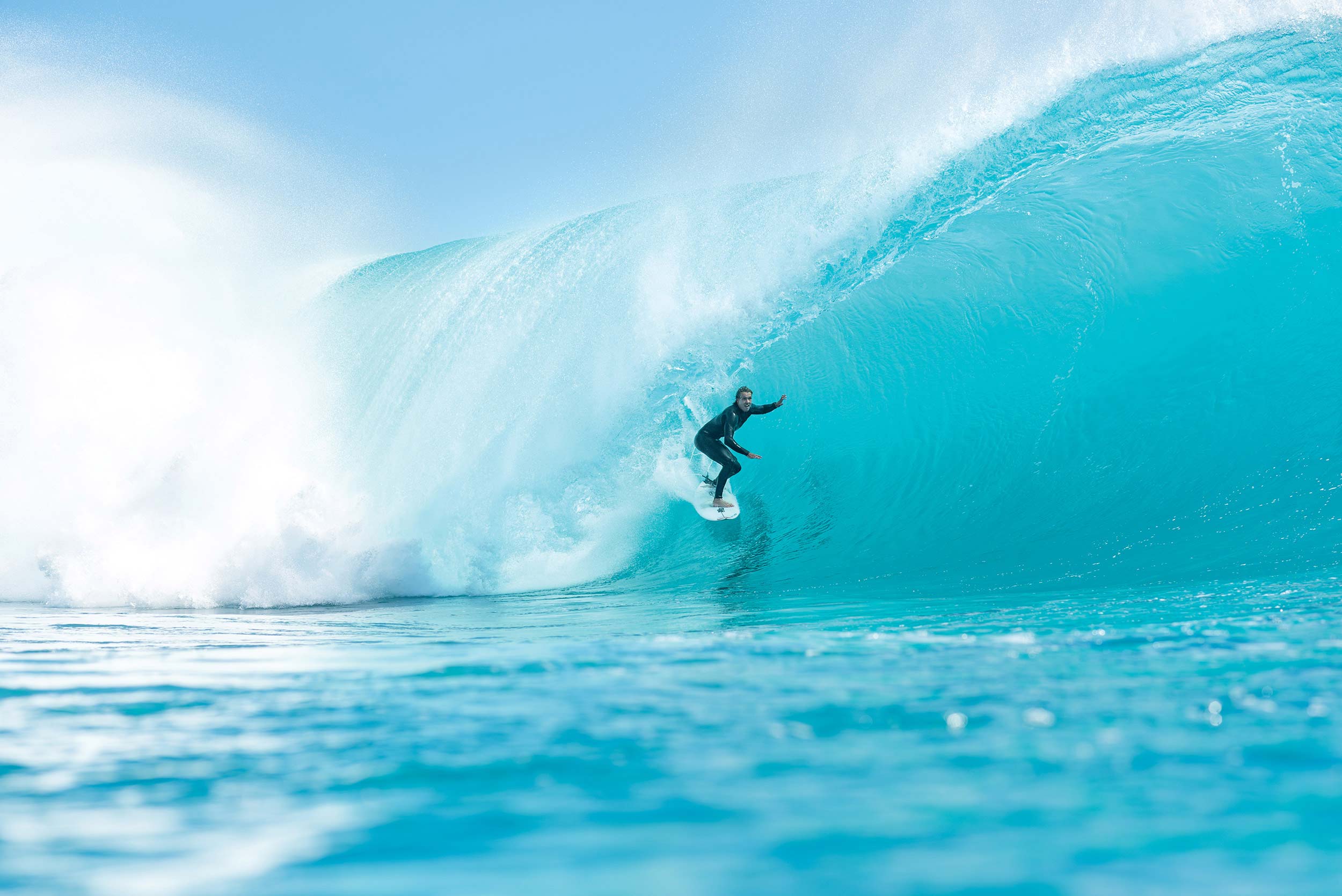
Water coloured waves: Broken Head – Issue 596 16.04.2024 by Jake Stolte This is a Premium Feature only available to Tracks subscribers. Existing Subscriber? Login here. FOR PREMIUM CONTENT – SUBSCRIBE TO TRACKS FROm $2.99 PREMIUM SUBSCRIPTION All you can eat digital & print for the price of a print subscription $99.99 Billed Annually SUBSCRIBE NOW $189.99 Billed Bi-Annually SUBSCRIBE NOW Bi-monthly delivery of Tracks Magazine to your doorstep: 6 issues per year Bi-monthly Tracks digital magazine to your inbox: 6 issues per year 10% off everything in the Tracks Print shop Unlimited digital access to Tracks’ Classic Issues from the 70’s, 80’s & 90’s (300+ magazines) Unlimited access to Tracks’ Premium Features Unlimited access to Tracks’ classic surf films Exclusive partner offers & discounts Entry into bimonthly subscriber prize draws MONTHLY PREMIUM SUBSCRIPTION All you can eat digital & print $10.99 Billed Monthly SUBSCRIBE NOW Bi-monthly delivery of Tracks Magazine to your doorstep: 6 issues per year Bi-monthly Tracks digital magazine to your inbox: 6 issues per year 10% off everything in the Tracks Print shop Unlimited digital access to Tracks’ Classic Issues from the 70’s, 80’s & 90’s (300+ magazines) Unlimited access to Tracks’ Premium Features Unlimited access to Tracks’ classic surf films Exclusive partner offers & discounts Entry into bimonthly subscriber prize draws ANNUAL DIGITAL SUBSCRIPTION Digital magazine only $34.99 Billed Annually SUBSCRIBE NOW Bi-monthly Tracks digital magazine to your inbox: 6 issues per year 10% off everything in the Tracks Print shop Unlimited digital access to Tracks’ Classic Issues from the 70’s, 80’s & 90’s (300+ magazines) Unlimited access to Tracks’ Premium Features Unlimited access to Tracks’ classic surf films Exclusive partner offers & discounts Entry into bimonthly subscriber prize draws MONTHLY DIGITAL SUBSCRIPTION Digital magazine only $2.99 Billed Monthly SUBSCRIBE NOW Bi-monthly Tracks digital magazine to your inbox: 6 issues per year 10% off everything in the Tracks Print shop Unlimited digital access to Tracks’ Classic Issues from the 70’s, 80’s & 90’s (300+ magazines) Unlimited access to Tracks’ Premium Features Unlimited access to Tracks’ classic surf films Exclusive partner offers & discounts Entry into bimonthly subscriber prize draws
UNearthed: Photos from the archive of Stephen Cooney 16.04.2024 by Jake Stolte This is a Premium Feature only available to Tracks subscribers. Existing Subscriber? Login here. FOR PREMIUM CONTENT – SUBSCRIBE TO TRACKS FROm $2.99 PREMIUM SUBSCRIPTION All you can eat digital & print for the price of a print subscription $99.99 Billed Annually SUBSCRIBE NOW $189.99 Billed Bi-Annually SUBSCRIBE NOW Bi-monthly delivery of Tracks Magazine to your doorstep: 6 issues per year Bi-monthly Tracks digital magazine to your inbox: 6 issues per year 10% off everything in the Tracks Print shop Unlimited digital access to Tracks’ Classic Issues from the 70’s, 80’s & 90’s (300+ magazines) Unlimited access to Tracks’ Premium Features Unlimited access to Tracks’ classic surf films Exclusive partner offers & discounts Entry into bimonthly subscriber prize draws MONTHLY PREMIUM SUBSCRIPTION All you can eat digital & print $10.99 Billed Monthly SUBSCRIBE NOW Bi-monthly delivery of Tracks Magazine to your doorstep: 6 issues per year Bi-monthly Tracks digital magazine to your inbox: 6 issues per year 10% off everything in the Tracks Print shop Unlimited digital access to Tracks’ Classic Issues from the 70’s, 80’s & 90’s (300+ magazines) Unlimited access to Tracks’ Premium Features Unlimited access to Tracks’ classic surf films Exclusive partner offers & discounts Entry into bimonthly subscriber prize draws ANNUAL DIGITAL SUBSCRIPTION Digital magazine only $34.99 Billed Annually SUBSCRIBE NOW Bi-monthly Tracks digital magazine to your inbox: 6 issues per year 10% off everything in the Tracks Print shop Unlimited digital access to Tracks’ Classic Issues from the 70’s, 80’s & 90’s (300+ magazines) Unlimited access to Tracks’ Premium Features Unlimited access to Tracks’ classic surf films Exclusive partner offers & discounts Entry into bimonthly subscriber prize draws MONTHLY DIGITAL SUBSCRIPTION Digital magazine only $2.99 Billed Monthly SUBSCRIBE NOW Bi-monthly Tracks digital magazine to your inbox: 6 issues per year 10% off everything in the Tracks Print shop Unlimited digital access to Tracks’ Classic Issues from the 70’s, 80’s & 90’s (300+ magazines) Unlimited access to Tracks’ Premium Features Unlimited access to Tracks’ classic surf films Exclusive partner offers & discounts Entry into bimonthly subscriber prize draws
Lightbox: Issue 596 9.04.2024 by Jake Stolte This is a Premium Feature only available to Tracks subscribers. Existing Subscriber? Login here. FOR PREMIUM CONTENT – SUBSCRIBE TO TRACKS FROm $2.99 PREMIUM SUBSCRIPTION All you can eat digital & print for the price of a print subscription $99.99 Billed Annually SUBSCRIBE NOW $189.99 Billed Bi-Annually SUBSCRIBE NOW Bi-monthly delivery of Tracks Magazine to your doorstep: 6 issues per year Bi-monthly Tracks digital magazine to your inbox: 6 issues per year 10% off everything in the Tracks Print shop Unlimited digital access to Tracks’ Classic Issues from the 70’s, 80’s & 90’s (300+ magazines) Unlimited access to Tracks’ Premium Features Unlimited access to Tracks’ classic surf films Exclusive partner offers & discounts Entry into bimonthly subscriber prize draws MONTHLY PREMIUM SUBSCRIPTION All you can eat digital & print $10.99 Billed Monthly SUBSCRIBE NOW Bi-monthly delivery of Tracks Magazine to your doorstep: 6 issues per year Bi-monthly Tracks digital magazine to your inbox: 6 issues per year 10% off everything in the Tracks Print shop Unlimited digital access to Tracks’ Classic Issues from the 70’s, 80’s & 90’s (300+ magazines) Unlimited access to Tracks’ Premium Features Unlimited access to Tracks’ classic surf films Exclusive partner offers & discounts Entry into bimonthly subscriber prize draws ANNUAL DIGITAL SUBSCRIPTION Digital magazine only $34.99 Billed Annually SUBSCRIBE NOW Bi-monthly Tracks digital magazine to your inbox: 6 issues per year 10% off everything in the Tracks Print shop Unlimited digital access to Tracks’ Classic Issues from the 70’s, 80’s & 90’s (300+ magazines) Unlimited access to Tracks’ Premium Features Unlimited access to Tracks’ classic surf films Exclusive partner offers & discounts Entry into bimonthly subscriber prize draws MONTHLY DIGITAL SUBSCRIPTION Digital magazine only $2.99 Billed Monthly SUBSCRIBE NOW Bi-monthly Tracks digital magazine to your inbox: 6 issues per year 10% off everything in the Tracks Print shop Unlimited digital access to Tracks’ Classic Issues from the 70’s, 80’s & 90’s (300+ magazines) Unlimited access to Tracks’ Premium Features Unlimited access to Tracks’ classic surf films Exclusive partner offers & discounts Entry into bimonthly subscriber prize draws
Chippo’s time to shine: Issue 596 4.04.2024 by Ben Mondy This is a Premium Feature only available to Tracks subscribers. Existing Subscriber? Login here. FOR PREMIUM CONTENT – SUBSCRIBE TO TRACKS FROm $2.99 PREMIUM SUBSCRIPTION All you can eat digital & print for the price of a print subscription $99.99 Billed Annually SUBSCRIBE NOW $189.99 Billed Bi-Annually SUBSCRIBE NOW Bi-monthly delivery of Tracks Magazine to your doorstep: 6 issues per year Bi-monthly Tracks digital magazine to your inbox: 6 issues per year 10% off everything in the Tracks Print shop Unlimited digital access to Tracks’ Classic Issues from the 70’s, 80’s & 90’s (300+ magazines) Unlimited access to Tracks’ Premium Features Unlimited access to Tracks’ classic surf films Exclusive partner offers & discounts Entry into bimonthly subscriber prize draws MONTHLY PREMIUM SUBSCRIPTION All you can eat digital & print $10.99 Billed Monthly SUBSCRIBE NOW Bi-monthly delivery of Tracks Magazine to your doorstep: 6 issues per year Bi-monthly Tracks digital magazine to your inbox: 6 issues per year 10% off everything in the Tracks Print shop Unlimited digital access to Tracks’ Classic Issues from the 70’s, 80’s & 90’s (300+ magazines) Unlimited access to Tracks’ Premium Features Unlimited access to Tracks’ classic surf films Exclusive partner offers & discounts Entry into bimonthly subscriber prize draws ANNUAL DIGITAL SUBSCRIPTION Digital magazine only $34.99 Billed Annually SUBSCRIBE NOW Bi-monthly Tracks digital magazine to your inbox: 6 issues per year 10% off everything in the Tracks Print shop Unlimited digital access to Tracks’ Classic Issues from the 70’s, 80’s & 90’s (300+ magazines) Unlimited access to Tracks’ Premium Features Unlimited access to Tracks’ classic surf films Exclusive partner offers & discounts Entry into bimonthly subscriber prize draws MONTHLY DIGITAL SUBSCRIPTION Digital magazine only $2.99 Billed Monthly SUBSCRIBE NOW Bi-monthly Tracks digital magazine to your inbox: 6 issues per year 10% off everything in the Tracks Print shop Unlimited digital access to Tracks’ Classic Issues from the 70’s, 80’s & 90’s (300+ magazines) Unlimited access to Tracks’ Premium Features Unlimited access to Tracks’ classic surf films Exclusive partner offers & discounts Entry into bimonthly subscriber prize draws
Divinations: Sea worms, signs and Sumba: Issue 596 4.04.2024 by Jake Stolte This is a Premium Feature only available to Tracks subscribers. Existing Subscriber? Login here. FOR PREMIUM CONTENT – SUBSCRIBE TO TRACKS FROm $2.99 PREMIUM SUBSCRIPTION All you can eat digital & print for the price of a print subscription $99.99 Billed Annually SUBSCRIBE NOW $189.99 Billed Bi-Annually SUBSCRIBE NOW Bi-monthly delivery of Tracks Magazine to your doorstep: 6 issues per year Bi-monthly Tracks digital magazine to your inbox: 6 issues per year 10% off everything in the Tracks Print shop Unlimited digital access to Tracks’ Classic Issues from the 70’s, 80’s & 90’s (300+ magazines) Unlimited access to Tracks’ Premium Features Unlimited access to Tracks’ classic surf films Exclusive partner offers & discounts Entry into bimonthly subscriber prize draws MONTHLY PREMIUM SUBSCRIPTION All you can eat digital & print $10.99 Billed Monthly SUBSCRIBE NOW Bi-monthly delivery of Tracks Magazine to your doorstep: 6 issues per year Bi-monthly Tracks digital magazine to your inbox: 6 issues per year 10% off everything in the Tracks Print shop Unlimited digital access to Tracks’ Classic Issues from the 70’s, 80’s & 90’s (300+ magazines) Unlimited access to Tracks’ Premium Features Unlimited access to Tracks’ classic surf films Exclusive partner offers & discounts Entry into bimonthly subscriber prize draws ANNUAL DIGITAL SUBSCRIPTION Digital magazine only $34.99 Billed Annually SUBSCRIBE NOW Bi-monthly Tracks digital magazine to your inbox: 6 issues per year 10% off everything in the Tracks Print shop Unlimited digital access to Tracks’ Classic Issues from the 70’s, 80’s & 90’s (300+ magazines) Unlimited access to Tracks’ Premium Features Unlimited access to Tracks’ classic surf films Exclusive partner offers & discounts Entry into bimonthly subscriber prize draws MONTHLY DIGITAL SUBSCRIPTION Digital magazine only $2.99 Billed Monthly SUBSCRIBE NOW Bi-monthly Tracks digital magazine to your inbox: 6 issues per year 10% off everything in the Tracks Print shop Unlimited digital access to Tracks’ Classic Issues from the 70’s, 80’s & 90’s (300+ magazines) Unlimited access to Tracks’ Premium Features Unlimited access to Tracks’ classic surf films Exclusive partner offers & discounts Entry into bimonthly subscriber prize draws
The Indo motorcycle diaries: Chapter IV – The black camel: Issue 596 4.04.2024 by Jake Stolte This is a Premium Feature only available to Tracks subscribers. Existing Subscriber? Login here. FOR PREMIUM CONTENT – SUBSCRIBE TO TRACKS FROm $2.99 PREMIUM SUBSCRIPTION All you can eat digital & print for the price of a print subscription $99.99 Billed Annually SUBSCRIBE NOW $189.99 Billed Bi-Annually SUBSCRIBE NOW Bi-monthly delivery of Tracks Magazine to your doorstep: 6 issues per year Bi-monthly Tracks digital magazine to your inbox: 6 issues per year 10% off everything in the Tracks Print shop Unlimited digital access to Tracks’ Classic Issues from the 70’s, 80’s & 90’s (300+ magazines) Unlimited access to Tracks’ Premium Features Unlimited access to Tracks’ classic surf films Exclusive partner offers & discounts Entry into bimonthly subscriber prize draws MONTHLY PREMIUM SUBSCRIPTION All you can eat digital & print $10.99 Billed Monthly SUBSCRIBE NOW Bi-monthly delivery of Tracks Magazine to your doorstep: 6 issues per year Bi-monthly Tracks digital magazine to your inbox: 6 issues per year 10% off everything in the Tracks Print shop Unlimited digital access to Tracks’ Classic Issues from the 70’s, 80’s & 90’s (300+ magazines) Unlimited access to Tracks’ Premium Features Unlimited access to Tracks’ classic surf films Exclusive partner offers & discounts Entry into bimonthly subscriber prize draws ANNUAL DIGITAL SUBSCRIPTION Digital magazine only $34.99 Billed Annually SUBSCRIBE NOW Bi-monthly Tracks digital magazine to your inbox: 6 issues per year 10% off everything in the Tracks Print shop Unlimited digital access to Tracks’ Classic Issues from the 70’s, 80’s & 90’s (300+ magazines) Unlimited access to Tracks’ Premium Features Unlimited access to Tracks’ classic surf films Exclusive partner offers & discounts Entry into bimonthly subscriber prize draws MONTHLY DIGITAL SUBSCRIPTION Digital magazine only $2.99 Billed Monthly SUBSCRIBE NOW Bi-monthly Tracks digital magazine to your inbox: 6 issues per year 10% off everything in the Tracks Print shop Unlimited digital access to Tracks’ Classic Issues from the 70’s, 80’s & 90’s (300+ magazines) Unlimited access to Tracks’ Premium Features Unlimited access to Tracks’ classic surf films Exclusive partner offers & discounts Entry into bimonthly subscriber prize draws
The Maldives: Thief of my heart: Issue 596 4.04.2024 by Jake Stolte This is a Premium Feature only available to Tracks subscribers. Existing Subscriber? Login here. FOR PREMIUM CONTENT – SUBSCRIBE TO TRACKS FROm $2.99 PREMIUM SUBSCRIPTION All you can eat digital & print for the price of a print subscription $99.99 Billed Annually SUBSCRIBE NOW $189.99 Billed Bi-Annually SUBSCRIBE NOW Bi-monthly delivery of Tracks Magazine to your doorstep: 6 issues per year Bi-monthly Tracks digital magazine to your inbox: 6 issues per year 10% off everything in the Tracks Print shop Unlimited digital access to Tracks’ Classic Issues from the 70’s, 80’s & 90’s (300+ magazines) Unlimited access to Tracks’ Premium Features Unlimited access to Tracks’ classic surf films Exclusive partner offers & discounts Entry into bimonthly subscriber prize draws MONTHLY PREMIUM SUBSCRIPTION All you can eat digital & print $10.99 Billed Monthly SUBSCRIBE NOW Bi-monthly delivery of Tracks Magazine to your doorstep: 6 issues per year Bi-monthly Tracks digital magazine to your inbox: 6 issues per year 10% off everything in the Tracks Print shop Unlimited digital access to Tracks’ Classic Issues from the 70’s, 80’s & 90’s (300+ magazines) Unlimited access to Tracks’ Premium Features Unlimited access to Tracks’ classic surf films Exclusive partner offers & discounts Entry into bimonthly subscriber prize draws ANNUAL DIGITAL SUBSCRIPTION Digital magazine only $34.99 Billed Annually SUBSCRIBE NOW Bi-monthly Tracks digital magazine to your inbox: 6 issues per year 10% off everything in the Tracks Print shop Unlimited digital access to Tracks’ Classic Issues from the 70’s, 80’s & 90’s (300+ magazines) Unlimited access to Tracks’ Premium Features Unlimited access to Tracks’ classic surf films Exclusive partner offers & discounts Entry into bimonthly subscriber prize draws MONTHLY DIGITAL SUBSCRIPTION Digital magazine only $2.99 Billed Monthly SUBSCRIBE NOW Bi-monthly Tracks digital magazine to your inbox: 6 issues per year 10% off everything in the Tracks Print shop Unlimited digital access to Tracks’ Classic Issues from the 70’s, 80’s & 90’s (300+ magazines) Unlimited access to Tracks’ Premium Features Unlimited access to Tracks’ classic surf films Exclusive partner offers & discounts Entry into bimonthly subscriber prize draws
The golden age of surf piracy: Issue 596 4.04.2024 by Jake Stolte This is a Premium Feature only available to Tracks subscribers. Existing Subscriber? Login here. FOR PREMIUM CONTENT – SUBSCRIBE TO TRACKS FROm $2.99 PREMIUM SUBSCRIPTION All you can eat digital & print for the price of a print subscription $99.99 Billed Annually SUBSCRIBE NOW $189.99 Billed Bi-Annually SUBSCRIBE NOW Bi-monthly delivery of Tracks Magazine to your doorstep: 6 issues per year Bi-monthly Tracks digital magazine to your inbox: 6 issues per year 10% off everything in the Tracks Print shop Unlimited digital access to Tracks’ Classic Issues from the 70’s, 80’s & 90’s (300+ magazines) Unlimited access to Tracks’ Premium Features Unlimited access to Tracks’ classic surf films Exclusive partner offers & discounts Entry into bimonthly subscriber prize draws MONTHLY PREMIUM SUBSCRIPTION All you can eat digital & print $10.99 Billed Monthly SUBSCRIBE NOW Bi-monthly delivery of Tracks Magazine to your doorstep: 6 issues per year Bi-monthly Tracks digital magazine to your inbox: 6 issues per year 10% off everything in the Tracks Print shop Unlimited digital access to Tracks’ Classic Issues from the 70’s, 80’s & 90’s (300+ magazines) Unlimited access to Tracks’ Premium Features Unlimited access to Tracks’ classic surf films Exclusive partner offers & discounts Entry into bimonthly subscriber prize draws ANNUAL DIGITAL SUBSCRIPTION Digital magazine only $34.99 Billed Annually SUBSCRIBE NOW Bi-monthly Tracks digital magazine to your inbox: 6 issues per year 10% off everything in the Tracks Print shop Unlimited digital access to Tracks’ Classic Issues from the 70’s, 80’s & 90’s (300+ magazines) Unlimited access to Tracks’ Premium Features Unlimited access to Tracks’ classic surf films Exclusive partner offers & discounts Entry into bimonthly subscriber prize draws MONTHLY DIGITAL SUBSCRIPTION Digital magazine only $2.99 Billed Monthly SUBSCRIBE NOW Bi-monthly Tracks digital magazine to your inbox: 6 issues per year 10% off everything in the Tracks Print shop Unlimited digital access to Tracks’ Classic Issues from the 70’s, 80’s & 90’s (300+ magazines) Unlimited access to Tracks’ Premium Features Unlimited access to Tracks’ classic surf films Exclusive partner offers & discounts Entry into bimonthly subscriber prize draws
Earthquakes, waves and war zones: Issue 596 4.04.2024 by Jake Stolte This is a Premium Feature only available to Tracks subscribers. Existing Subscriber? Login here. FOR PREMIUM CONTENT – SUBSCRIBE TO TRACKS FROm $2.99 PREMIUM SUBSCRIPTION All you can eat digital & print for the price of a print subscription $99.99 Billed Annually SUBSCRIBE NOW $189.99 Billed Bi-Annually SUBSCRIBE NOW Bi-monthly delivery of Tracks Magazine to your doorstep: 6 issues per year Bi-monthly Tracks digital magazine to your inbox: 6 issues per year 10% off everything in the Tracks Print shop Unlimited digital access to Tracks’ Classic Issues from the 70’s, 80’s & 90’s (300+ magazines) Unlimited access to Tracks’ Premium Features Unlimited access to Tracks’ classic surf films Exclusive partner offers & discounts Entry into bimonthly subscriber prize draws MONTHLY PREMIUM SUBSCRIPTION All you can eat digital & print $10.99 Billed Monthly SUBSCRIBE NOW Bi-monthly delivery of Tracks Magazine to your doorstep: 6 issues per year Bi-monthly Tracks digital magazine to your inbox: 6 issues per year 10% off everything in the Tracks Print shop Unlimited digital access to Tracks’ Classic Issues from the 70’s, 80’s & 90’s (300+ magazines) Unlimited access to Tracks’ Premium Features Unlimited access to Tracks’ classic surf films Exclusive partner offers & discounts Entry into bimonthly subscriber prize draws ANNUAL DIGITAL SUBSCRIPTION Digital magazine only $34.99 Billed Annually SUBSCRIBE NOW Bi-monthly Tracks digital magazine to your inbox: 6 issues per year 10% off everything in the Tracks Print shop Unlimited digital access to Tracks’ Classic Issues from the 70’s, 80’s & 90’s (300+ magazines) Unlimited access to Tracks’ Premium Features Unlimited access to Tracks’ classic surf films Exclusive partner offers & discounts Entry into bimonthly subscriber prize draws MONTHLY DIGITAL SUBSCRIPTION Digital magazine only $2.99 Billed Monthly SUBSCRIBE NOW Bi-monthly Tracks digital magazine to your inbox: 6 issues per year 10% off everything in the Tracks Print shop Unlimited digital access to Tracks’ Classic Issues from the 70’s, 80’s & 90’s (300+ magazines) Unlimited access to Tracks’ Premium Features Unlimited access to Tracks’ classic surf films Exclusive partner offers & discounts Entry into bimonthly subscriber prize draws
Bill Morris: Grajagan: Issue 596 4.04.2024 by Jake Stolte This is a Premium Feature only available to Tracks subscribers. Existing Subscriber? Login here. FOR PREMIUM CONTENT – SUBSCRIBE TO TRACKS FROm $2.99 PREMIUM SUBSCRIPTION All you can eat digital & print for the price of a print subscription $99.99 Billed Annually SUBSCRIBE NOW $189.99 Billed Bi-Annually SUBSCRIBE NOW Bi-monthly delivery of Tracks Magazine to your doorstep: 6 issues per year Bi-monthly Tracks digital magazine to your inbox: 6 issues per year 10% off everything in the Tracks Print shop Unlimited digital access to Tracks’ Classic Issues from the 70’s, 80’s & 90’s (300+ magazines) Unlimited access to Tracks’ Premium Features Unlimited access to Tracks’ classic surf films Exclusive partner offers & discounts Entry into bimonthly subscriber prize draws MONTHLY PREMIUM SUBSCRIPTION All you can eat digital & print $10.99 Billed Monthly SUBSCRIBE NOW Bi-monthly delivery of Tracks Magazine to your doorstep: 6 issues per year Bi-monthly Tracks digital magazine to your inbox: 6 issues per year 10% off everything in the Tracks Print shop Unlimited digital access to Tracks’ Classic Issues from the 70’s, 80’s & 90’s (300+ magazines) Unlimited access to Tracks’ Premium Features Unlimited access to Tracks’ classic surf films Exclusive partner offers & discounts Entry into bimonthly subscriber prize draws ANNUAL DIGITAL SUBSCRIPTION Digital magazine only $34.99 Billed Annually SUBSCRIBE NOW Bi-monthly Tracks digital magazine to your inbox: 6 issues per year 10% off everything in the Tracks Print shop Unlimited digital access to Tracks’ Classic Issues from the 70’s, 80’s & 90’s (300+ magazines) Unlimited access to Tracks’ Premium Features Unlimited access to Tracks’ classic surf films Exclusive partner offers & discounts Entry into bimonthly subscriber prize draws MONTHLY DIGITAL SUBSCRIPTION Digital magazine only $2.99 Billed Monthly SUBSCRIBE NOW Bi-monthly Tracks digital magazine to your inbox: 6 issues per year 10% off everything in the Tracks Print shop Unlimited digital access to Tracks’ Classic Issues from the 70’s, 80’s & 90’s (300+ magazines) Unlimited access to Tracks’ Premium Features Unlimited access to Tracks’ classic surf films Exclusive partner offers & discounts Entry into bimonthly subscriber prize draws